A stoppage in the delivery line gets blamed on the mix more often than it should. The distinction matters, because the fixes are opposite.
When delivery stops mid-print the instinct is to change the mix. Sometimes that is right. Frequently it makes the next attempt worse, because the problem was never rheological.
Separating the two
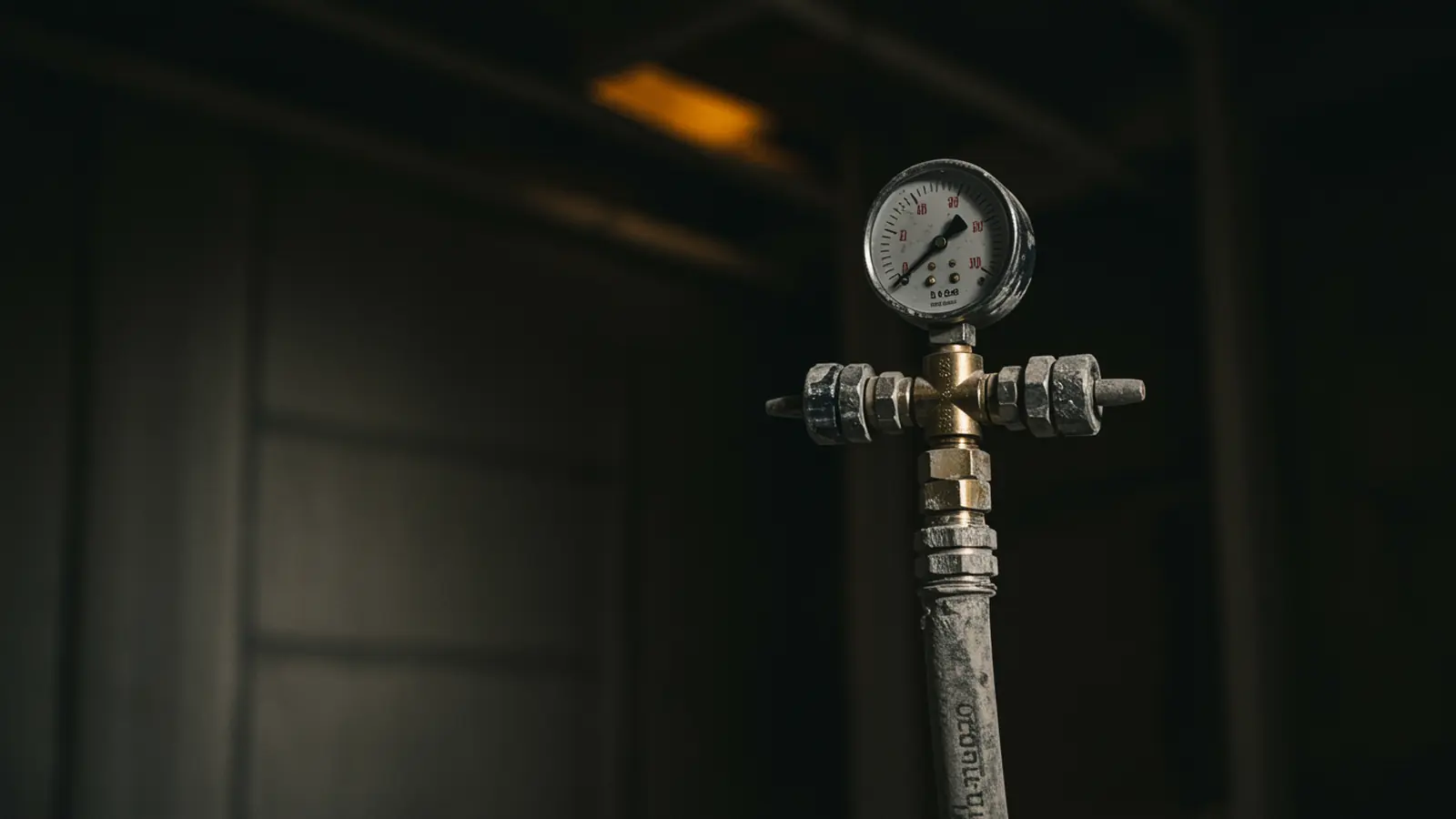
A mix problem generally develops. Pressure climbs across several minutes as the material stiffens in the line. A mechanical problem generally arrives. Pressure spikes or collapses within seconds, often at a coupling, a bend or a worn section.
- Gradual pressure rise with consistent flow: look at the mix and at open time in the line
- Sudden spike then stop: look at a blockage, a coupling or a foreign object
- Pressure drop with continued pump action: look for a leak, a burst or a disconnect
- Intermittent surging: look at feed consistency upstream, not at the nozzle
References
Standards, code provisions and peer-reviewed work this article rests on. Designations are given in full so a reviewer can pull the source themselves.
Mechtcherine et al. (2020)Peer-reviewed
Covers the full chain from mixing and pumping to deposition, and where each step can fail.
Roussel (2018)Peer-reviewed
Rheological requirements for printable concretes
Sets out the yield stress, structuration rate and buckling limits that decide whether a mix can be printed at all.
Buswell et al. (2018)Peer-reviewed
3D printing using concrete extrusion: A roadmap for research
Frames the relationship between material behaviour, process control and the geometry you actually get.
Citing a standard is not the same as certifying compliance with it. Nothing here is engineering certification, legal advice or a code approval.
Facing this on a live project?
Submit an Intake